
Environmental concerns are at the forefront of our minds nowadays and many of us are looking for ways to reduce our carbon footprint. One of the most effective places to start is right at home. Creating an eco-friendly home doesn’t have to be a daunting task. With a few simple changes, you can make a significant impact on both the environment and your wallet. Let’s explore some easy and practical ways to transform your living space into a more sustainable haven.
Energy-Efficient Lighting: A Bright Idea
One of the quickest ways to make a more eco-friendly home is by switching to energy-efficient lighting. LED bulbs have come a long way in recent years, offering a wide range of colours and brightness levels to suit every room in your house. Not only do they use up to 90% less energy than traditional incandescent bulbs, but they also last much longer. This means fewer replacements and less waste. By making this simple switch, you’ll see an immediate reduction in your energy consumption and consequently your electricity bills.
Smart Thermostats: Intelligent Temperature Control
Heating and cooling account for a significant portion of a home’s energy use. Installing a smart thermostat can help you manage your home’s temperature more efficiently. These clever devices learn your habits and preferences, automatically adjusting the temperature to optimise comfort and energy usage. Some models even allow you to control your heating remotely via a smartphone app, ensuring you’re not wasting energy when you’re away from home. The latest data from Energy Saving Trust suggests that a smart thermostat could save you around £60 per year on your energy bills.
Water Conservation: Every Drop Counts
Water is a precious resource, and conserving it is crucial for an eco-friendly home. Start by fixing any leaky taps or pipes – even a small drip can waste thousands of litres of water over a year. Installing low-flow showerheads and dual-flush toilets can significantly reduce your water usage without compromising on functionality. In the garden, consider collecting rainwater in a water butt for watering plants during dry spells. These simple measures not only help the environment but can also lead to substantial savings on your water bill.
Insulation: Keeping the Heat Where It Belongs
Proper insulation is key to maintaining an eco-friendly home. Check your loft insulation – if it’s less than 270mm thick, you could benefit from adding more. Wall cavity insulation and double-glazed windows are also excellent investments for reducing heat loss. According to the latest figures from the Energy Saving Trust, loft insulation alone could save you up to £255 per year on your energy bills, making it a win-win for your wallet and the planet.
Renewable Energy: Harnessing Nature’s Power
While it may require a larger initial investment, installing renewable energy sources like solar panels can dramatically reduce your home’s carbon footprint. The UK government’s Smart Export Guarantee (SEG) scheme, introduced in January 2020, ensures that households with solar panels receive payment for any excess energy they export back to the grid. With the cost of solar panels continuing to decrease and their efficiency improving, now might be the perfect time to consider this upgrade for your eco-friendly home.

Eco-Friendly Appliances: Efficiency Matters
When it’s time to replace your old appliances, opt for energy-efficient models. Look for the Energy Star label or check the energy rating – appliances rated A+++ are the most efficient. From washing machines to refrigerators, these modern appliances use significantly less energy and water than their older counterparts. While they may cost a bit more upfront, the savings on your utility bills will quickly offset the initial expense.
Reduce, Reuse, Recycle: The Three Rs at Home
Creating an eco-friendly home isn’t just about energy and water; it’s also about reducing waste. Set up a comprehensive recycling system in your home, making it easy for everyone to sort recyclables. Compost your food waste – even if you don’t have a garden, many local councils now offer food waste collection services. When shopping, choose products with minimal packaging and opt for reusable items over disposables. These small changes can significantly reduce the amount of waste your household produces.
Green Cleaning: Kind to Your Home and the Environment
Many conventional cleaning products contain harsh chemicals that can be harmful to both your health and the environment. Switch to eco-friendly cleaning products or, better yet, make your own using simple ingredients like vinegar, bicarbonate of soda and lemon juice. These natural cleaners are just as effective at keeping your home sparkling clean and fresh without the negative environmental impact.
Indoor Plants: Nature’s Air Purifiers
Bringing a bit of nature indoors can do wonders for your eco-friendly home. Indoor plants not only add beauty to your living space but also act as natural air purifiers, removing toxins and producing oxygen. Some of the best air-purifying plants include spider plants, peace lilies and snake plants. Plus, caring for plants can be a rewarding and relaxing hobby, contributing to your overall wellbeing.
Mindful Consumption: The Key to Sustainable Living
Perhaps the most important aspect of creating an eco-friendly home is adopting a mindful approach to consumption. Before making a purchase, ask yourself if you really need it. When you do buy, choose quality items that will last longer and opt for products made from sustainable materials. This mindset shift can lead to a less cluttered, more sustainable home environment.
Creating an eco-friendly home is a journey, not a destination. By implementing these simple changes, you’re taking significant steps towards reducing your environmental impact. Remember, every small action counts. As you continue to make eco-conscious choices, you’ll find that living sustainably becomes second nature. Your eco-friendly home will not only contribute to a healthier planet but also provide a healthier, more comfortable living space for you and your family.
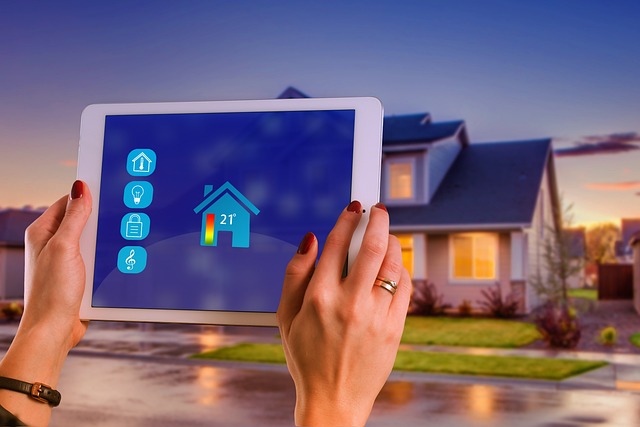


We’re looking into getting smart heating as even the effort of getting up to turn the thermostat up is too much some days lol. Seriously though, it would be great to switch the heating on remotely when we start our commute so the house is warm when we get home from work.