
In recent years, smart home technology has transformed the way we interact with our living spaces. From voice-controlled lighting to intelligent thermostats, these innovations promise to make our lives easier and more efficient. However, as we welcome these devices into our homes, it’s crucial to consider how we can enjoy their benefits whilst safeguarding our privacy.
The Smart Home Revolution
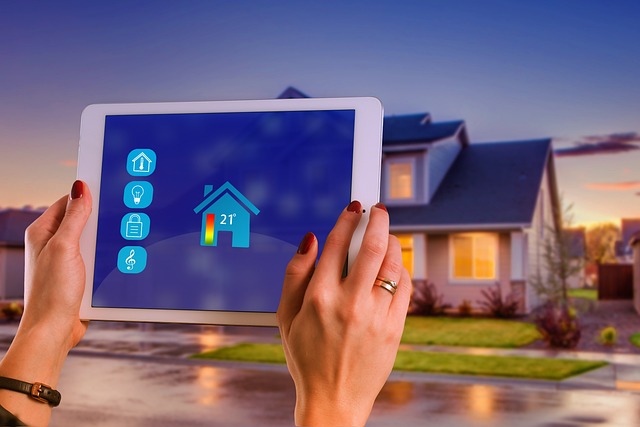
Smart home technology has come a long way in a short time. Today’s connected homes can adjust the temperature based on our preferences, alert us to potential security threats and even help us manage our energy consumption. The appeal is clear: who wouldn’t want a home that anticipates and responds to their needs?
Popular Smart Home Devices
- Voice-activated assistants
- Smart lighting systems
- Connected thermostats
- Intelligent security cameras
- Automated appliances
These gadgets offer undeniable convenience. Imagine turning off all the lights in your house with a simple voice command or checking your home’s security from your smartphone whilst on holiday. Smart home technology can make these scenarios a reality.
The Privacy Challenge
As we integrate these devices into our daily lives, we must also grapple with the implications for our privacy. Many smart home gadgets collect data about our habits, routines and preferences. While this information is often used to improve our experience, it can also be vulnerable to misuse or breaches.
Key Privacy Concerns
- Data Collection: Smart devices gather vast amounts of information about our lives.
- Data Storage: Where is this information kept, and for how long?
- Data Sharing: How much of our data is shared with third parties?
- Hacking Risks: Internet-connected devices can be vulnerable to cyber attacks.
Finding the Right Balance
The good news is that enjoying the benefits of smart home technology doesn’t mean we have to sacrifice our privacy entirely. Here are some strategies to help you strike the right balance:
1. Do Your Homework
Before purchasing any smart home device, take the time to research the manufacturer’s privacy policies. Look for devices that prioritise user privacy and offer clear explanations of how they handle data.
2. Customise Your Settings
Most smart home devices offer customisable privacy settings. Take advantage of these options to limit data collection and sharing. For example, you might choose to disable voice recording on your smart speaker or limit the data your thermostat collects.
3. Secure Your Network
A strong home network is your first line of defence against potential breaches. Use a robust password, enable encryption and regularly update your router’s firmware.
4. Think About Device Placement
Consider carefully where you place your smart devices. For instance, you might not want a camera or microphone in more private areas of your home.
5. Regular Reviews
Periodically review the devices connected to your network and the permissions you’ve granted them. Remove any devices you no longer use or trust.
The Future of Smart Home Technology
As technology continues to evolve, we can expect smart home technology to become even more sophisticated. Artificial intelligence and machine learning are likely to play a larger role, potentially offering even greater convenience but also raising new privacy questions.
The key will be for both consumers and manufacturers to prioritise privacy alongside innovation. We’re likely to see more devices with built-in privacy features, such as physical switches to disable cameras or microphones.
Making Informed Choices
Ultimately, the decision to integrate smart technology into your home is a personal one. By staying informed about the potential risks and taking steps to mitigate them, you can create a smart home that enhances your life without compromising your privacy.
Smart home technology offers exciting possibilities for convenience and efficiency. As we embrace these innovations, we must do so with our eyes open to both the benefits and the challenges. With careful consideration and the right precautions, we can build homes that are both smart and secure.
A truly smart home is one that works for you, respecting your preferences not just for comfort and convenience, but for privacy as well. As you embark on your smart home journey, keep these considerations in mind and you’ll be well on your way to creating a connected home in which you can truly feel comfortable.
By taking a thoughtful approach to smart home technology, we can enjoy the benefits of a connected home whilst still maintaining control over our personal information. After all, the smartest homes are those that enhance our lives without compromising our values.


I recently got my whole house upgraded to smart technology and overall it has made my life so much easier. I love that I can control the lights and blinds even when not at home and I can also set the heating too although as it’s the end of summer I haven’t had to use that yet. What I do find annoying is that my washing machine isn’t as smart as it could be as certain functions aren’t available remotely but that’s the manufacturer’s fault (I am looking at you, Hoover!!) not the smart concept itself. I am not worried about privacy as have all the settings on the minimum requirements. For me the convenience far outweighs any potential disadvantages.